2025 Australian Ecology Research Award Winner – Prof Sarah Legge
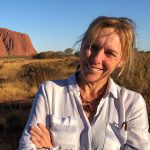
Professor Sarah Legge is a part-time Professor at Charles Darwin University, an Honorary Professor at the Australian National University, and also works as a private consultant. She originally worked on the evolution of sociality, mating systems, sex allocation, siblicide, and intra-tropical migration, before transitioning to wildlife conservation 20 years ago. Since then, she has paired targeted research with landscape-scale management trials to understand the mechanisms and impacts of threats like mismanaged fire and invasive species, with this information then used to inform conservation management. In these efforts, Sarah collaborates with on-ground managers from government, non-government, and Indigenous land management sectors, working in the overlaps between research, management and policy. She is committed to service, contributing to many government statutory committees and government and non-government advisory committees.
2025 Next Generation Ecologist Award Winner – Dr Eamonn Wooster
Harnessing animal intelligence to repair Australian mammal communities
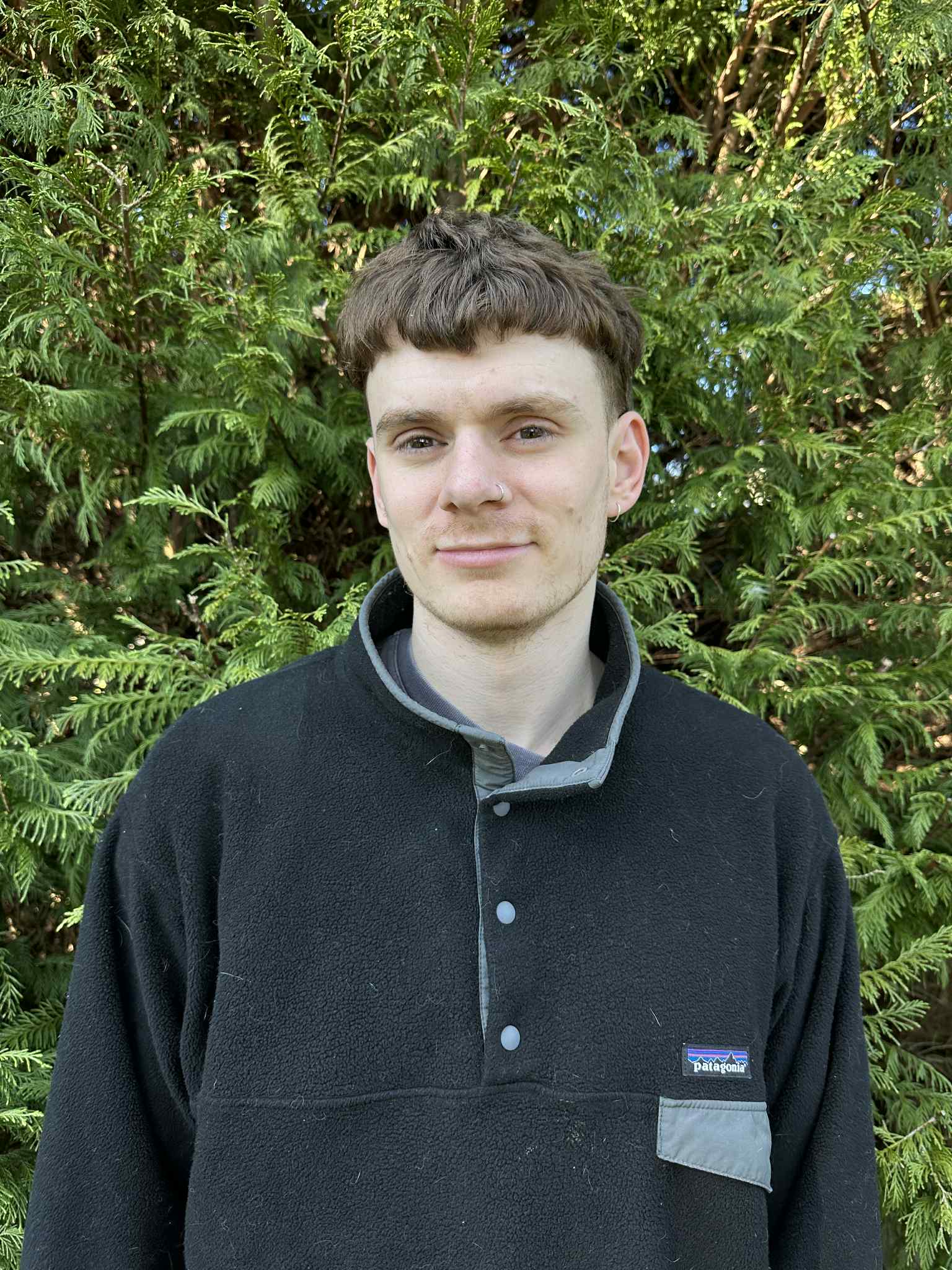
Dr. Eamonn Wooster holds an independent fellowship at Charles Sturt University. His work spans behavioural ecology, invasion biology and macroecology, combining field research with meta-analytic and macroecological methods. He works to link individual-level animal behaviour to population-level interactions and leverage this information to conserve the natural world.
ESA/UNSW Inspiring Ecology Teaching award winner – Professor David Watson, Charles Sturt University
Professor David M Watson is an ecologist committed to evidence-based strategies to boost biodiversity and is based at Charles Sturt University where he leads the Environmental team at the Gulbali Institute. His current research programme encompasses historic biogeography, landscape ecology and wildlife monitoring across arid, temperate and tropical systems. Dave completed his PhD in the USA, studying birds in Central American cloud forests, returning to Australia to teach ornithology and set up his research programme in regional NSW. Mistletoe has long been a focus, revealing those ecological interactions and landscape features essential for maintaining diverse and functional ecosystems. Research highlights include establishing the Australian Acoustic Observatory, demonstrating the role of mistletoe as an ecological keystone and discovering a swag of undescribed species on isolated tropical mountains. As a board member of the Great Eastern Ranges and a founding member of the Slopes-to-Summit regional partnership, he works with landholders, Indigenous partners and philanthropists to connect people to country.
2024 Fundamental Ecology Award Winner – Tess Jenkins
Applying classic ecological theories to understand reproductive behaviours in coral-associated reef fishes

Tess Jenkins was born and raised in Western Australia, where early explorations along the coastline sparked a lifelong curiosity about the intricate life beneath the ocean’s surface. After completing her undergraduate degree at James Cook University in Townsville, Tess discovered a particular passion for understanding how behaviours in small reef-associated species are shaped by their surrounding environment. This passion brought Tess back home to study the unique fish communities of Ningaloo Marine Park. As a Forrest Research Foundation Scholar and member of the Centre for Evolutionary Biology at UWA, Tess is undertaking a PhD that explores how reproductive behaviours—such as mating systems and sex allocation strategies—have evolved in small, coral-dwelling fishes in direct response to their habitat associations. By shedding light on the ecology and evolution of these often-overlooked species, Tess hopes to contribute to conservation strategies that protect not only the fishes themselves but also the vulnerable coral habitats they depend on.
Jill Landsberg Trust Fund Scholarship
2024 recipient Jessie Moyses (Queensland University of Technology – presenting:
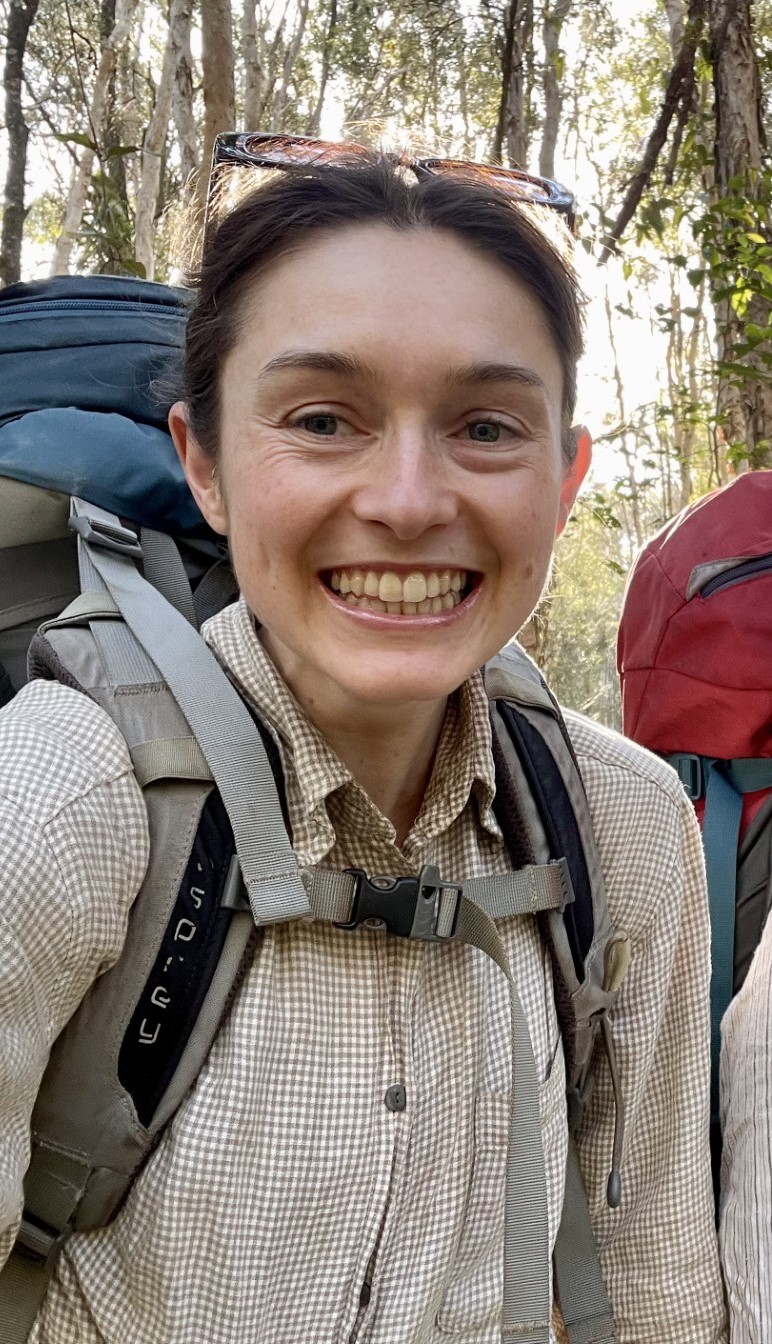
Untangling ecosystem service-disservice trade-offs of birds in raspberry production
Biography
Jessie is a PhD candidate at Queensland University of Technology, exploring how landscape and community ecology can enhance biodiversity on horticultural land while sustaining food production.
2025 recipient Frances Perry (University of Adelaide) will be receiving her award.
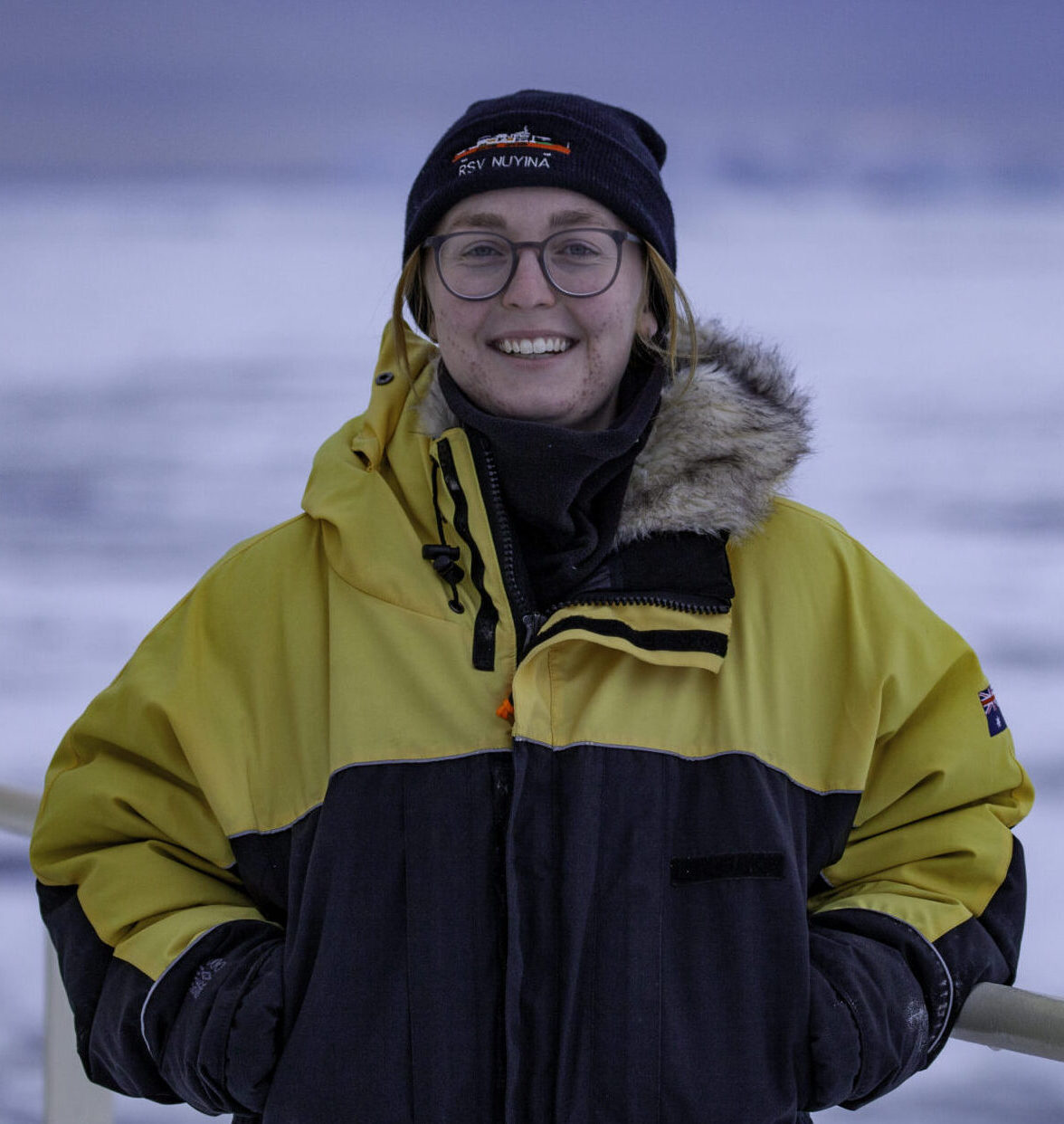
Frances is currently a PhD Candidate at the University of Adelaide and Securing Antarctica’s Environmental Future. Her PhD is investigating the potential for marine invasive species to arrive in Antarctica through biofouling on vessels. Worldwide, Antarctica is one of the few remaining regions free of established marine non-native species, and Frances aims to identify the most effective biosecurity practices to prevent their arrival on vessels.
2025 Applied Forest Ecology Award Winner – Liam Berry
Liam is a Masters by Research student with Edith Cowan University – Uncovering the effects of prescribed burns on hollow logs.
ESA Gold Medal 2025 – Dr Suzanne Prober Honoured for a Lifetime of Ecological Leadership
Dr Suzanne Prober is a respected leader in Australian ecology. Dr Prober’s research with CSIRO Environment spans biodiversity conservation, ecological restoration, and the integration of Indigenous ecological knowledge and values into landscape management. Her work has helped shape national approaches to ecosystem resilience, climate adaptation, and collaborative conservation science.
ESA 2025 Ecological Impact Award: Practitioner-led – Sylvia Zukowski, Nature Glenelg Trust
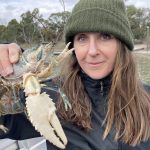
Sylvia Zukowski has over 25 years experience in natural resource management, conservation, scientific research, and community science of aquatic ecosystems across south-east Australia, including throughout the Murray-Darling Basin. She has a diverse professional background, with expertise in freshwater fish and crayfish species across river and wetland environments. Sylvia has also focused on the links between the community, science and natural resource management. Sylvia has vast experience in consulting with and presenting to community, school, government, scientific and media groups and organising and running community education activities and stakeholder workshops.
ESA 2025 Ecological Impact Award: Research – Practitioner Collaboration – Matt Alfonzetti (Western Sydney University) and Nick Chu (AirSeed Technologies)

Matthew Alfonzetti is a plant scientist at the Hawkesbury Institute for the Environment, Western Sydney University, where he studies seed enhancement technologies to support native revegetation. His PhD at Macquarie University investigates the microbial communities associated with native grasses, testing bacterial seed inoculants and a prebiotic soil biostimulant to promote beneficial plant–microbe interactions and increase field establishment.

Nick Chu is a restoration ecologist with over eight years’ experience as a researcher and practitioner. As Head of Nature-Based Solutions at AirSeed, he leads the development of innovative tools and practices that enable evidence-informed decisions in landscape restoration and management, bridging science, ecology and technology to advance ecosystem recovery.
Page banner photo credit: Angus Cleary
ESA 2025 Australian Research Data Commons Award for New Developers of Open Source Software in Ecology – Dr Elizabeth Wenk
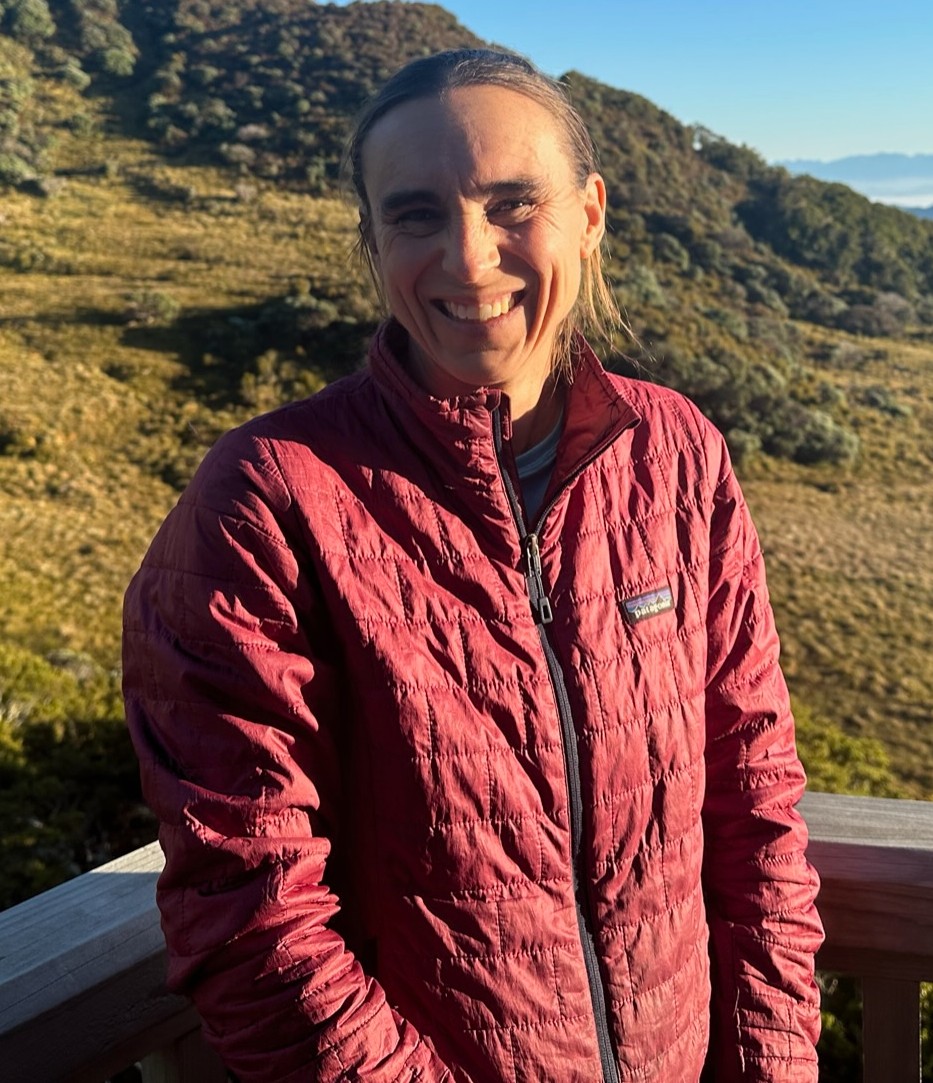
Dr Elizabeth Wenk’s research goals are to better understand the distribution of Australian plants through their traits, both as an academic researcher and as a developer and curator of open-source data products and workflows. Elzabeth is the project manager for AusTraits, responsible for building a national data asset on the traits of Australia’s 30k taxa. AusTraits harmonises and merges data more than 400 distinct datasets, offering a ready-to-use, error-checked data source for researchers worldwide. To build AusTraits, Elzabeth has also developed supporting infrastructure, including 1) the APCalign R package for aligning and updating taxonomic names to those in the Australian Plant Census; 2) the traits.build R package for building diverse trait databases, and 3) the AusTraits Plant Dictionary, a formal vocabulary (thesaurus) that documents explicit definitions for more than 500 plant traits, that can be referenced and reused in many contexts. A second career sees Elizabeth writing hiking and natural history guides for California’s Sierra Nevada, the region around Yosemite National Park.